
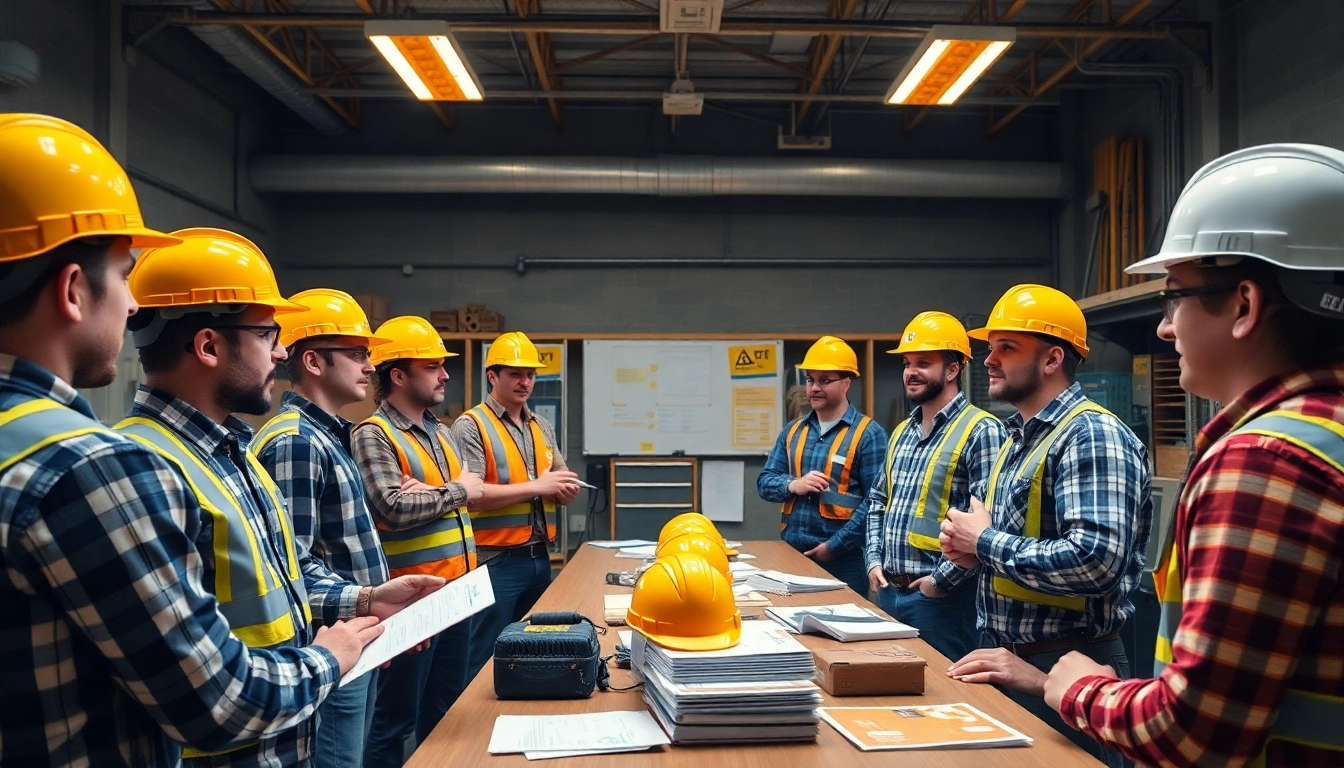
Understanding the Importance of Construction Safety Classes
Construction sites are inherently hazardous environments where workers face a multitude of risks daily. Proper training is essential, not only to reduce these risks but to ensure the well-being of the workforce. Construction safety classes serve as a foundational pillar for safety protocols, arming workers with the knowledge they need to recognize and mitigate these dangers effectively.
Why Safety Training is Essential
The construction industry consistently ranks among the most dangerous sectors in terms of workplace injuries and fatalities. Statistics reveal that a significant percentage of workplace accidents occur in construction environments, making safety training a critical element in fostering a culture of safety. Safety training empowers workers by providing them with the knowledge to identify potential hazards, understand safety standards, and respond appropriately in emergencies. In essence, it transitions safety from a vague concept to a deep-rooted practice.
The Impact on Workers’ Health
Engaging in construction safety classes can lead to improved overall workers’ health. Training successfully reduces the instances of preventable accidents such as falls, electrical shocks, and injuries from equipment malfunctions. With thorough training, workers learn best practices for using personal protective equipment (PPE), which greatly diminishes the likelihood of serious injuries. Moreover, aware workers tend to report unsafe conditions promptly, creating a safer workplace for everyone.
Benefits for Employers
Employers stand to gain significantly from prioritizing safety training. A well-trained workforce means fewer accidents, lower insurance premiums, and decreased liability risks. Companies that invest in safety training also benefit from enhanced employee morale and productivity, demonstrating a genuine concern for their workers’ welfare. Furthermore, compliance with regulatory standards can bolster a company’s reputation and lead directly to the acquisition of new contracts.
Key Components of Effective Safety Training
Curriculum Design and Delivery
Effective safety training begins with a well-structured curriculum tailored to the specific needs of the organization and its workforce. This curriculum should encompass a wide variety of topics, including hazard recognition, safe equipment operation, and emergency response protocols. The delivery method is equally crucial; a blend of classroom lectures, interactive discussions, and practical demonstrations ensures that the material is engaging and memorable. Additionally, frequent updates to the curriculum are necessary to reflect changes in safety standards and regulations.
Incorporating Hands-On Learning
Hands-on learning is vital for effective safety training in the construction sector. Theoretical knowledge must be paired with practical experience to prepare workers for real-life scenarios. Role-playing exercises and simulations can help reinforce learning, allowing workers to practice their responses to potential hazards in a controlled environment. This practical approach makes retention of information more likely and builds confidence in their ability to handle emergencies.
Utilizing Technology in Training
As technology continues to evolve, incorporating it into safety training becomes imperative. Virtual reality (VR) and augmented reality (AR) provide immersive training experiences that allow workers to engage with simulated environments without the actual risks. Additionally, online learning platforms offer flexibility, enabling workers to access training modules at their convenience. Beyond traditional training techniques, mobile safety applications can serve as quick-reference guides, ensuring that workers have immediate access to crucial safety information on-site.
Regulatory Standards and Compliance Strategies
Understanding OSHA Guidelines
Occupational Safety and Health Administration (OSHA) guidelines are designed to protect workers across various industries, including construction. Familiarity with these regulations is fundamental for ensuring compliance and promoting a safe work environment. Construction safety classes should extensively cover OSHA’s requirements, such as proper use of equipment, fall protection standards, and reporting procedures for incidents. Regular reviews of OSHA regulations are essential to ensure the training remains relevant.
Maintaining Certification and Recertification
Maintaining certification in safety practices is another key aspect of a robust training program. Many safety certifications have expiration dates, necessitating periodic recertification to ensure that workers remain updated on best practices and new regulations. This can involve completing refresher courses or additional training sessions tailored to specific roles or equipment. Regular recertification reinforces the importance of safety and keeps it at the forefront of employees’ minds.
Conducting Risk Assessments
Risk assessments are a proactive strategy in construction safety, helping identify potential hazards before they lead to incidents. Effective safety training incorporates methodologies for conducting thorough risk assessments, enabling workers to evaluate conditions and report findings. Training sessions should include how to identify risks, assess their impact, and suggest corrective measures to mitigate hazards effectively. Conducting these assessments regularly can help organizations stay one step ahead in preventing accidents.
Real-World Applications in Construction Projects
Successful Case Studies
Several case studies demonstrate the tangible benefits resulting from the implementation of effective safety training programs. For instance, a construction company that established a comprehensive safety training initiative reported a 40% reduction in workplace accidents over two years. Regular training sessions empowered workers to recognize hazards and adopt safe work practices, contributing to a significantly safer site environment. These successful outcomes underscore the importance of investing in safety training as part of a broader safety strategy.
Addressing Common Challenges
Despite the evident benefits of safety training, various challenges can hinder its implementation. Resistance from workers, budget constraints, and time limitations are common obstacles. Addressing these challenges requires a multifaceted approach. Engaging employees in the training process and highlighting the personal benefits of safety can foster a culture of safety. Additionally, allocating specific time slots for training in project planning can ensure that safety training is prioritized without compromising productivity.
Metrics for Measuring Training Effectiveness
To ensure that safety training is effective, it is essential to establish clear metrics for evaluation. Tracking incident rates, near misses, and employee feedback can provide insights into the effectiveness of current training programs. Additionally, post-training assessments can help gauge knowledge retention among employees. Regular evaluation and adjustments based on data will help refine training programs, ensuring they remain effective and relevant as industry needs evolve.
Future Trends in Construction Safety Education
Emerging Technologies and Methodologies
The landscape of education in construction safety is continually evolving. Emerging technologies such as drones for site surveys and AI-driven training programs are on the rise, enhancing the way safety training is conducted. These technologies enable real-time monitoring of sites, and AI can personalize training experiences, adapting content based on individual learning styles. As the industry embraces these innovations, it’s essential for training programs to integrate them to remain competitive and effective.
The Role of Psychological Safety in Training
Psychological safety is gaining prominence as a key component of effective training programs. This concept revolves around creating an environment where workers feel safe to express their concerns and ask questions. Training should not only impart technical skills but also focus on fostering open communication. When workers feel secure in voicing their worries about safety, it leads to a more proactive approach in identifying potential hazards, ultimately benefiting the entire organization.
Strategies for Continuous Improvement
Continuous improvement should be a fundamental aspect of any safety training program. By actively soliciting feedback from workers, monitoring incident trends, and staying updated with the latest industry developments, organizations can adapt their training accordingly. Regular revisions and enhancements to training content ensure that it remains relevant and impactful. Promoting a culture of learning and adaptation within the organization will further reinforce the importance of safety and encourage workers to partake in ongoing training initiatives.
FAQs about Construction Safety Classes
What are construction safety classes?
Construction safety classes are training programs designed to educate workers on safe practices, hazard recognition, and emergency protocols specific to construction environments.
Why is safety training important in construction?
Safety training is crucial in construction because it helps reduce the risk of accidents, enhances workers’ health, and contributes to a more productive work environment.
What topics are covered in construction safety classes?
Topics often include personal protective equipment, fall protection, equipment operation, hazard communication, and emergency response protocols.
How often should safety training be conducted?
Safety training should be conducted regularly, with initial training followed by periodic refresher courses to ensure compliance and knowledge retention.
What are the benefits of ongoing safety training?
Ongoing training helps maintain high safety standards, keeps workers updated on regulations, reduces accident rates, and fosters a culture of safety within the organization.