What is Chenin Blanc?
Chenin Blanc is a versatile white grape variety originating from the Loire Valley in France. This remarkable grape is known for its adaptability, producing a wide range of wines that vary in sweetness, acidity, and flavor profiles. With its ability to thrive in various climates and soil types, Chenin Blanc has gained popularity worldwide, elevating its status as a significant player among white wine varieties. For wine enthusiasts and novices alike, exploring the characteristics of Chenin Blanc can unlock a treasure trove of flavor experiences.
History of Chenin Blanc
The roots of Chenin Blanc trace back to the 9th century when it was introduced in the Loire Valley, where it became a vital component of France’s viticultural landscape. Initially known as "Plant de la Loire," this grape variety flourished due to the beneficial climate and rich alluvial soils. Over the centuries, it underwent various name changes and adaptations, leading to its current name, Chenin Blanc, derived from the Mont Chenin hill.
In the 20th century, Chenin Blanc experienced a renaissance; its diverse styles gained recognition, moving from bulk production to premium wine production. Countries like South Africa adopted it, giving rise to exciting new expressions that continue to enhance the global wine market.
Characteristics of Chenin Blanc
Chenin Blanc is characterized by its high acidity, which makes it remarkably adaptable to different winemaking styles. The grape's aromatic profile is often floral with hints of stone fruits like peach and apricot, along with citrus notes. Its flavor spectrum is broad, ranging from bone-dry to lusciously sweet, thanks to its late-harvesting capabilities.
Another hallmark of this grape is its aging potential. Many Chenin Blanc wines can develop complex flavors and nuances from oak aging, resulting in a creamy texture and depth that appeals to oenophiles.
Popular Regions for Chenin Blanc
While Chenin Blanc is most famously associated with the Loire Valley, it has found homes in regions around the globe. Key areas include:
- Loire Valley, France: Renowned for its expression in Vouvray and Savennières, offering both dry and sweet styles.
- South Africa: Known for producing exceptional Chenin Blanc, often labeled as "Steen," showcasing both high-quality dry and dessert wines.
- California: Some winemakers craft delightful versions, emphasizing fruit-forward profiles and often blending with other varieties.
- Australia: A growing sector where Chenin Blanc makes for fresh, crisp, and approachable wines.
How is Chenin Blanc Made?
The process of making Chenin Blanc can vary significantly based on stylistic choices, but it generally involves key viticulture and winemaking practices. Each step, from harvest to fermentation, is crucial in shaping the final product.
Viticulture Practices for Chenin Blanc
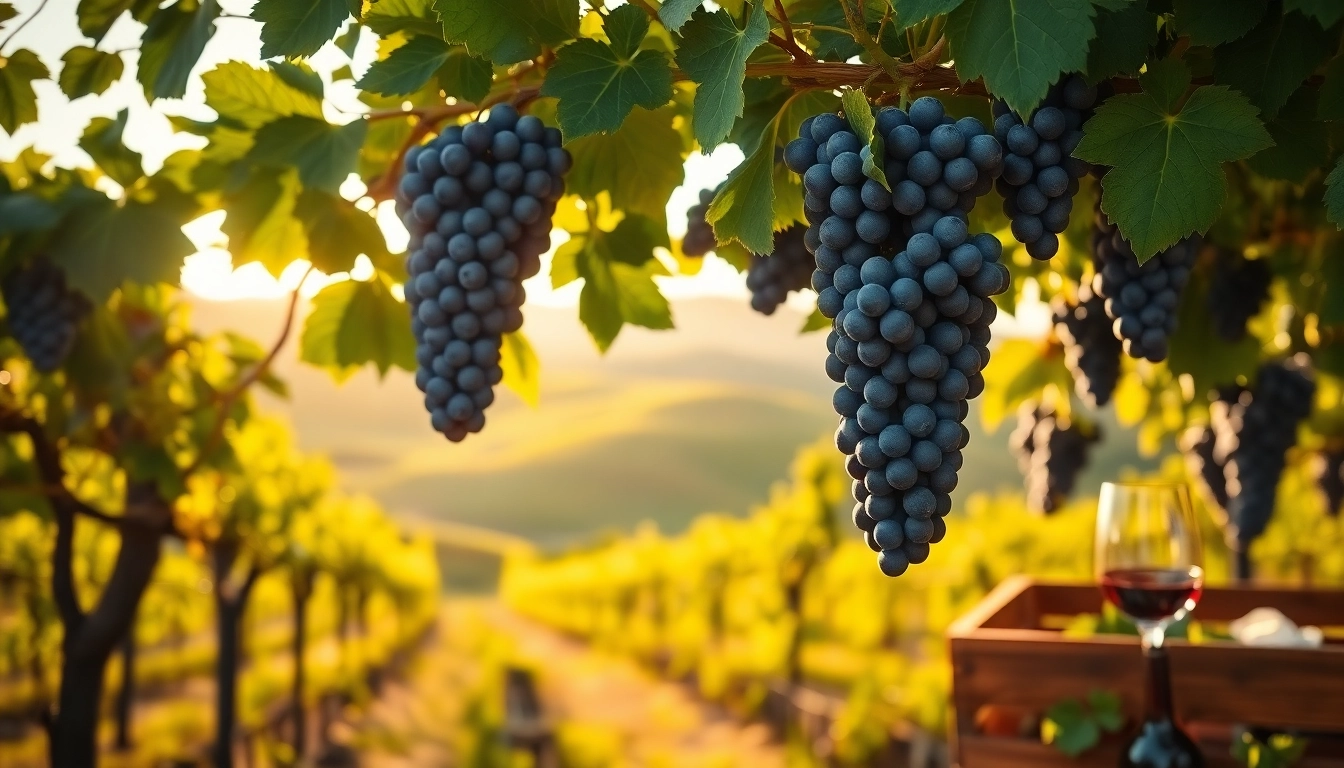
Effective viticulture is essential for cultivating high-quality Chenin Blanc. Growers often focus on:
- Canopy Management: Ensuring optimal sunlight exposure helps maintain acidity and flavor concentration.
- Soil Selection: Chenin Blanc thrives in various soils, but sandy and clay soils are preferred for enhancing its distinct characteristics.
- Water Management: Regulating irrigation is vital, as balanced hydration contributes to ideal sugar levels and acidity.
Harvesting Techniques
Harvesting Chenin Blanc is a delicate balance. Many winemakers prefer hand-harvesting, allowing for the selection of only the best grapes at the right ripeness level. This process is particularly vital when producing late-harvest or dessert-style wines, as the grapes often develop noble rot, enhancing sweetness and complexity.
In contrast, machine harvesting may be employed for larger-scale production, although it might lose some precision regarding grape selection.
Winemaking Processes
The winemaking process for Chenin Blanc can greatly influence its final style. Key stages include:
- Pressing: Gentle pressing preserves the grape’s delicate flavors while minimizing bitterness.
- Fermentation: Both stainless steel and oak fermentation are used, with oak imparting additional complexity and texture.
- Ageing: Depending on the desired style, Chenin Blanc can be aged on its lees to enhance mouthfeel or in oak barrels for added depth and richness.
- Bottling: Bottling decisions also play a significant role, with some winemakers opting for bottle aging to develop further complexity.
Flavor Profiles of Chenin Blanc
The flavor profile of Chenin Blanc is one of its most appealing aspects, encompassing a wide range of tastes and aromas influenced by factors such as terroir, winemaking choices, and the grape's ripeness at harvest.
Sweet vs. Dry Chenin Blanc
Chenin Blanc can be crafted in a spectrum of sweetness levels, typically categorized as:
- Dry Chenin Blanc: Crisp and refreshing, showcasing high acidity with flavors of green apple, pear, and citrus.
- Off-Dry Chenin Blanc: Offers a hint of sweetness, with fruit notes becoming evident along with balanced acidity.
- Semi-Sweet to Sweet Chenin Blanc: Lusciously sweet versions often feature ripe tropical fruit flavors with a honeyed finish, perfect as dessert wines.
Common Tasting Notes
Typical tasting notes for Chenin Blanc can include:
- Citrus (lemon, lime)
- Stone fruits (peach, apricot)
- Floral undertones (jasmine, honeysuckle)
- Mineral hints (based on terroir)
- Honey and beeswax (especially in sweeter versions)
Influence of Terroir on Flavor
Terroir plays a significant role in shaping the flavor profiles of Chenin Blanc. Variations in soil composition, climate, and altitude contribute to the individual character of the wine. For example, sandy soils often yield Chenin Blanc with fruit-intensive profiles, while clay soils might impart herbal and earthy notes, creating a complex palate experience.
Food Pairing with Chenin Blanc
Pairing Chenin Blanc with food can elevate any dining experience, thanks to its versatility. To maximize its flavor, consider the following pairing suggestions.
Best Dishes to Complement Chenin Blanc
When it comes to pairing Chenin Blanc, the breadth of flavor profiles allows for numerous culinary possibilities. Dish ideas include:
- Seafood dishes, such as grilled shrimp or scallops.
- Poultry, especially roasted chicken with citrus herbs.
- Vegetarian fare, like roasted vegetable risottos or salads with vinaigrette.
Cheese Pairings
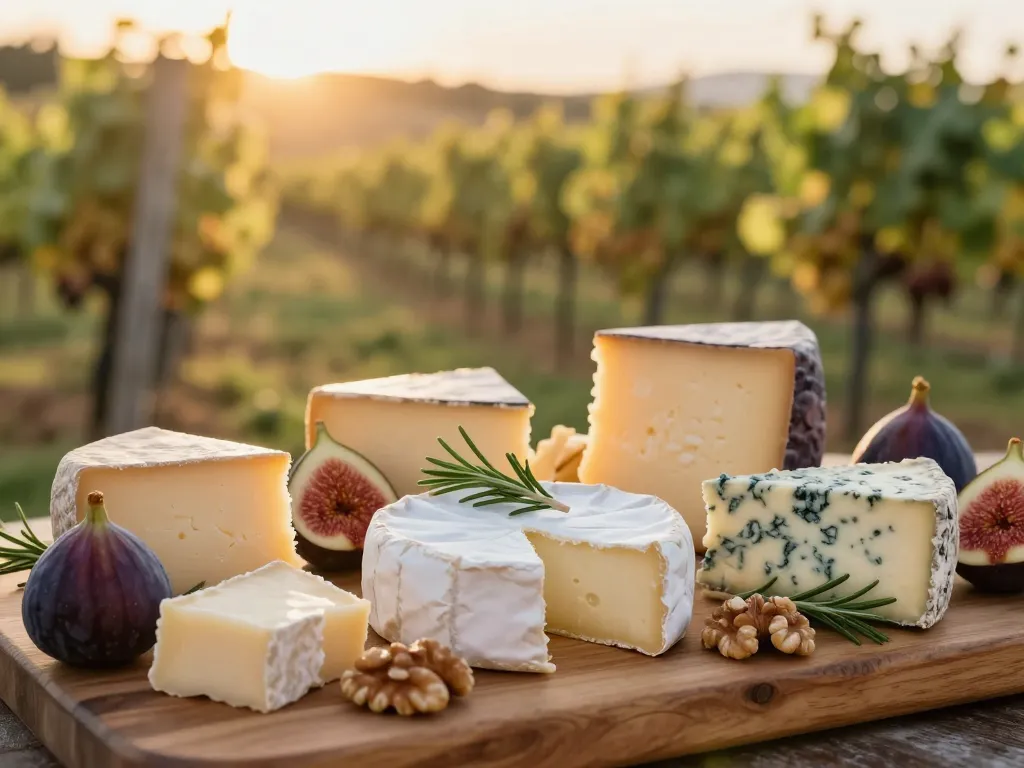
Chenin Blanc pairs beautifully with various cheeses, making for delightful tasting experiences. Cheese selections should include:
- Soft cheeses, such as Brie or Camembert.
- Chevres offer a complementary tang.
- Aged Cheddar for high acidity balance.
Seasonal Pairing Suggestions
Depending on the season, you can enhance your dining with seasonal pairings:
- Spring: Lighter fare like salads and fresh seafood.
- Summer: Grilled meats and picnic-style foods.
- Autumn: Earthy dishes, including squash and pumpkin.
- Winter: Rich stews and hearty roasted dishes.
Frequently Asked Questions About Chenin Blanc
What makes Chenin Blanc unique?
Chenin Blanc's versatility, ranging from sparkling to dessert wines, allows it to adapt to different styles and flavor profiles, making it distinct among whites.
Can Chenin Blanc age well?
Yes, many high-quality Chenin Blanc wines can age beautifully, developing complex flavors over time, particularly those with good acidity and sugar.
What is the best serving temperature for Chenin Blanc?
Chenin Blanc is best served chilled, usually at temperatures between 45°F to 50°F (7°C to 10°C) to enhance its fresh and crisp profile.
How do I choose a good Chenin Blanc?
Look for quality producers, consider the region, and be mindful of the sweetness level. Sampling several styles will help find your preference.
Is Chenin Blanc sweet or dry?
Chenin Blanc can be both; it offers a range of styles from dry to sweet, making it adaptable for different occasions and food pairings.