
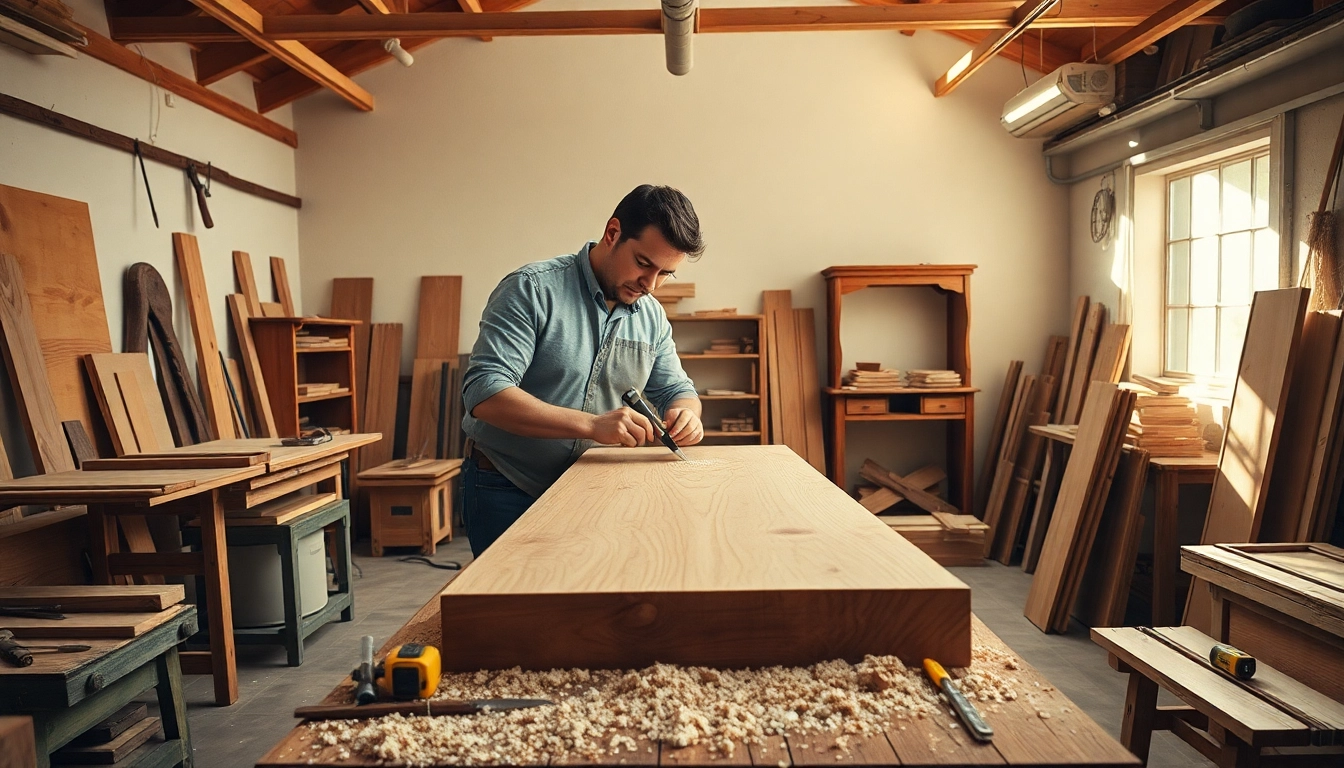
Understanding the Role of a Carpenter
The carpenter plays a pivotal role in the construction and renovation landscape. Carpenters are skilled tradespeople who work with wood and other materials to construct, install, and repair structures and fixtures. Their expertise not only contributes to the physical integrity and aesthetic appeal of a building but also influences its overall functionality. As we delve deeper into the world of carpentry, we will explore the various skills, types, and tools essential for this craft.
Overview of Carpenter's Skills
Carpentry is a multifaceted profession requiring a versatile skill set. Core competencies for carpenters include precision in measuring, strong hand-eye coordination, and knowledge of construction techniques. Furthermore, carpenters must possess problem-solving skills to face challenges that arise on job sites. Training typically involves a combination of formal apprenticeship, on-the-job training, and classroom instruction, where aspiring carpenters learn essential skills such as reading blueprints, estimating material requirements, and applying various construction methods.
Types of Carpentry
Carpentry can be categorized into several specialized areas, each with its own focus and skill set:
- Framing Carpentry: This includes building the structure of homes, including walls, roofs, and floors.
- Finish Carpentry: Focuses on aesthetic elements like trim, moldings, and built-in furniture.
- Cabinetmaking: Involves designing and building cabinets and other furniture pieces.
- Woodworking: A broad category focused on crafting items from wood, often using intricate techniques.
- Green Carpentry: Emphasizes sustainable practices and materials, tailored for eco-friendly construction.
Essential Tools for Every Carpenter
Having the right tools is crucial for any carpenter’s success. Essential tools typically include:
- Measuring Tools: Tape measures, squares, calipers, and levels ensure accuracy.
- Cutting Tools: Handsaws, circular saws, and jigsaws facilitate precise cuts through wood.
- Power Tools: Tools like nail guns and drills expedite construction tasks.
- Joinery Tools: Clamps, chisels, and dowels help in making strong joints.
- Safety Gear: Hard hats, goggles, and gloves protect against workplace hazards.
The Basics of Carpentry Techniques
Measuring and Marking
Accurate measuring and marking are foundational skills in carpentry. The saying "measure twice, cut once" underscores the importance of precision. Carpenters utilize various measuring tools to ensure that every dimension is accurate to avoid costly mistakes. Effective marking techniques, such as using a pencil or chalk line, facilitate clearer cuts and alignments.
Common Joinery Methods
Joinery is crucial in woodworking, as it dictates how two pieces of wood are connected. Common methods include:
- Butt Joint: The simplest joint; two pieces are simply butted together, often reinforced with nails or screws.
- Dado Joint: A groove cut into one board allows another to fit in tightly, enhancing strength.
- Mortise and Tenon: A traditional joint providing strength and stability, ideal for framing furniture.
- Lap Joint: Two pieces of wood overlap, making for a strong connection often used in framing.
Safety Practices for Carpenters
Safety is paramount in carpentry. Essential practices include:
- Wearing Personal Protective Equipment: Always use safety goggles, gloves, and appropriate footwear.
- Understanding Tool Safety: Familiarize yourself with each tool and adhere strictly to the manufacturer’s instructions.
- Maintaining a Clean Workspace: Reduces the risk of accidents and increases efficiency.
- Being Aware of Surroundings: Stay vigilant; awareness prevents accidents related to machinery and other workers.
Advanced Carpentry Skills
Custom Woodworking Projects
Venturing into custom woodworking allows carpenters to showcase creativity and craftsmanship. This area includes designing bespoke furniture, cabinetry, or even artisanal pieces. Key elements to focus on include:
- Understanding Client Needs: Effective communication aids in capturing the client’s vision.
- Design Prototyping: Creating detailed sketches or digital models clarifies the concept.
- Selecting Quality Materials: Choosing the right wood and finishes ensures lasting results.
Using Advanced Tools and Techniques
As technology evolves, so do the tools available to carpenters. Advanced equipment like CNC machines can produce intricate designs with precision. Furthermore, techniques such as laser cutting and routing introduce a new level of accuracy and complexity to woodworking projects. Adopting these technologies can significantly enhance efficiency and product quality.
Finishing Techniques for Carpentry
The finishing touch on any carpentry project is crucial for durability and appearance. Techniques include:
- Sanding: Proper sanding smooths surfaces, readying them for finish applications.
- Staining: Adds color while allowing the wood grain to show through.
- Sealing: Protects wood from moisture and enhances longevity.
- Applying Varnishes or Oils: Provides a final protective layer while enhancing beauty.
Maintenance and Care for Carpentry Tools
Cleaning and Sharpening Essentials
To keep tools in top condition, regular cleaning and maintenance are essential. Dust and resin build-up can reduce performance. Proper sharpening techniques prolong the life of cutting tools and ensure clean cuts. Using sharpening stones, files, or specialized sharpeners will maintain tool efficacy.
Storage Solutions for Tools
Efficient storage solutions minimize clutter and protect tools. Options include:
- Toolboxes and Bags: Portable storage for easy transport.
- Wall-mounted Organizers: Optimize workshop space and accessibility.
- Drawer Systems: Safeguard tools from damage while keeping them organized.
When to Replace Tools
Recognizing when to replace tools is crucial for maintaining effective workflow. Signs of wear, such as rusting, cracks, or poor performance can indicate that a tool has outlived its usefulness. Investing in quality replacements ensures reliability and safety on jobs.
FAQs about the Carpenter Profession
What qualifications are required to become a carpenter?
No formal education is required, but completing an apprenticeship or vocational training program is highly beneficial. Understanding blueprints and safety regulations is essential.
How can I improve my carpentry skills?
Practice is key. Take on small projects, seek feedback, study advanced techniques, or enroll in woodworking classes to continuously grow your skills.
What are the most important tools for beginners?
Essential tools include a tape measure, square, handsaw, hammer, chisels, and safety gear. Start with basics and gradually expand your toolkit as you gain experience.
Is carpentry a sustainable career choice?
Yes! With the ongoing demand for skilled tradespeople and the rise of green building practices, carpentry offers a sustainable career with numerous opportunities for growth.
What types of projects can a carpenter work on?
Carpenters can work on residential and commercial projects, including framing, cabinetry, furniture making, renovations, and custom woodworking. The scope of work is broad and varied.