A shipping container can cross an ocean in days, then spend much longer waiting on a yard, warehouse, or loading dock. Logistics robots could cut those waits by moving goods, checking stock, and handing over loads with fewer pauses between steps.
The gains depend on where robots work and how well the surrounding systems are set up. Moving a box quickly can't fix missing data, a closed port, or a truck that arrives late.
- Robots can move goods through warehouses and yards with fewer idle periods.
- Cameras and sensors can check labels, damage, and stock as goods move.
- The main limit is coordination between robots, people, software, and transport.
Where robots save time
A warehouse has many short jobs: bring a pallet to a dock, carry a tote to a packing station, or place a parcel in a storage location.
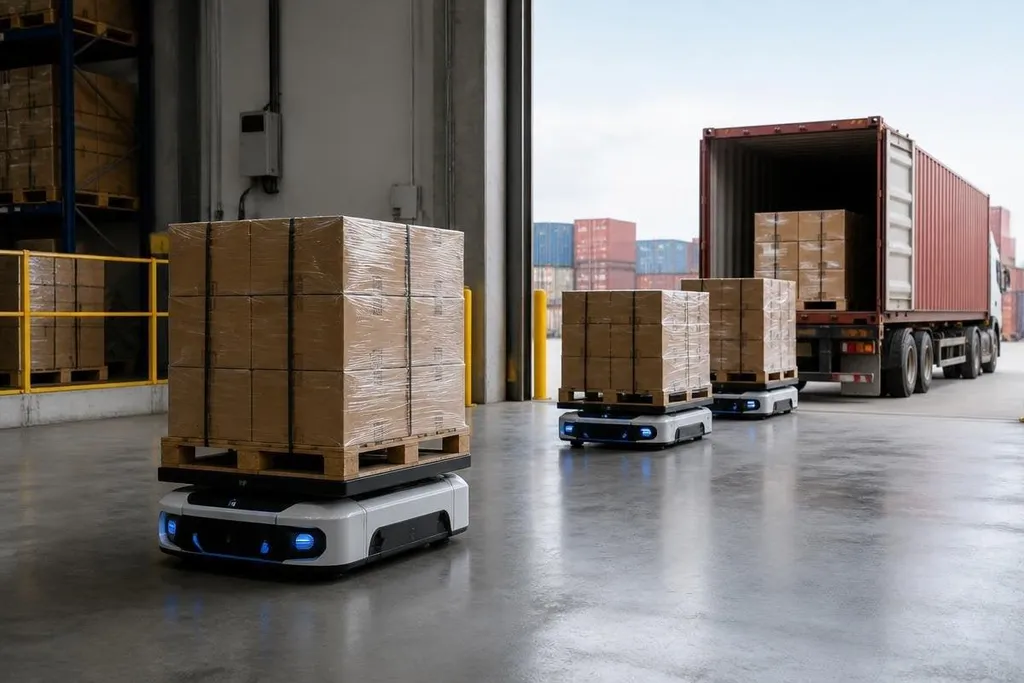
Autonomous mobile robots, or AMRs, handle these trips by using cameras, LiDAR, and maps to move around a site without a person driving each route.
LiDAR measures distance with light. The robot uses those readings to locate walls, racks, people, and other obstacles. That lets it change route when a forklift blocks an aisle, then return to the assigned task once the path is open.
The time gain comes from removing small waits. A worker who walks across a warehouse to fetch one item spends part of the shift moving without handling goods. An AMR can carry the item to the worker, so that person can stay at a packing or picking station for longer.
The same idea applies to container yards. Robots could move containers between cranes, storage rows, and trucks. Yard software would need to know the location, weight, destination, and pickup time for each container before the robot starts moving it.
The handoff decides the result
Speed matters only when the next step is ready. If an AMR reaches a dock before the door opens, it waits. If a pallet has the wrong label, the robot may move the mistake faster.
That makes the handoff between systems more important than a robot's top speed. Warehouse software, port systems, customs records, truck schedules, and inventory tools need to exchange the same information in a form each system can read.
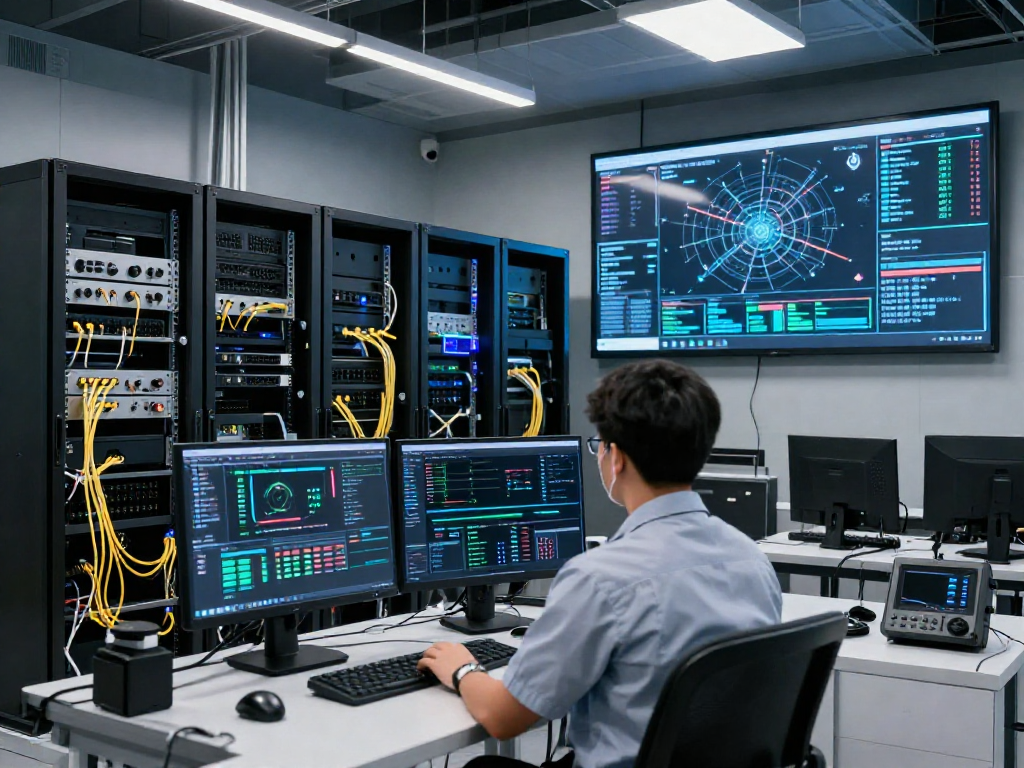
Sensors can help with checks during movement. A camera may read a barcode, inspect a package for visible damage, or confirm that a pallet is in the right position. Those checks can catch errors before goods leave a site, but they still need clear rules for what happens when the result is uncertain.
A faster scan still can't clear a customs hold or repair a damaged pallet. Logistics robotics reports from Robot24.com can connect claims about faster trade with the named machine, site, date, and result before the next section asks what robots can't fix.
What robots can't fix
Robots don't remove the need for skilled workers. People still set routes, handle unusual loads, repair equipment, respond to safety events, and decide what to do when records disagree.
Physical limits matter too. A robot built for smooth warehouse floors may not work on broken concrete in a yard. A gripper that handles sealed cartons may fail on wet packaging, loose straps, or damaged boxes. The task must match the robot's sensors, reach, payload, and safety system.
Data creates another limit. Each robot needs a known destination and a way to confirm that it reached it. Poor stock records can send a machine to an empty location. A software outage can stop a whole work area even when the hardware is ready.
I’d judge logistics robots by completed handoffs, not by speed in a demonstration.
That measure follows the goods through the full task: the item is picked, checked, moved, loaded, recorded, and made ready for the next carrier. A faster robot that creates more sorting work may slow the site down.
A practical decision guide
Before adding robots to a trade or warehouse process, check these points:
- Map the delay: Measure where goods wait, walk, or get checked twice.
- Define the load: Record weight, size, packaging, floor type, and handoff points.
- Check the data: Make sure locations, labels, orders, and stock records agree.
- Test the exception: Run damaged boxes, blocked routes, wrong labels, and missing items through the plan.
- Set the human role: Name who handles faults, safety stops, repairs, and unusual loads.
- Count the full task: Include charging, supervision, software work, maintenance, and changes to the site.
The best first use is usually a repeatable movement with a clear start, a clear destination, and few unusual loads. That gives the operator a clean way to measure time saved without hiding new work elsewhere.
Global trade moves through connected handoffs, so robots will speed it only when those handoffs share accurate data and a person can fix the cases machines cannot. The next useful question is not how fast a robot moves, but how many shipments reach the next step without stopping.