
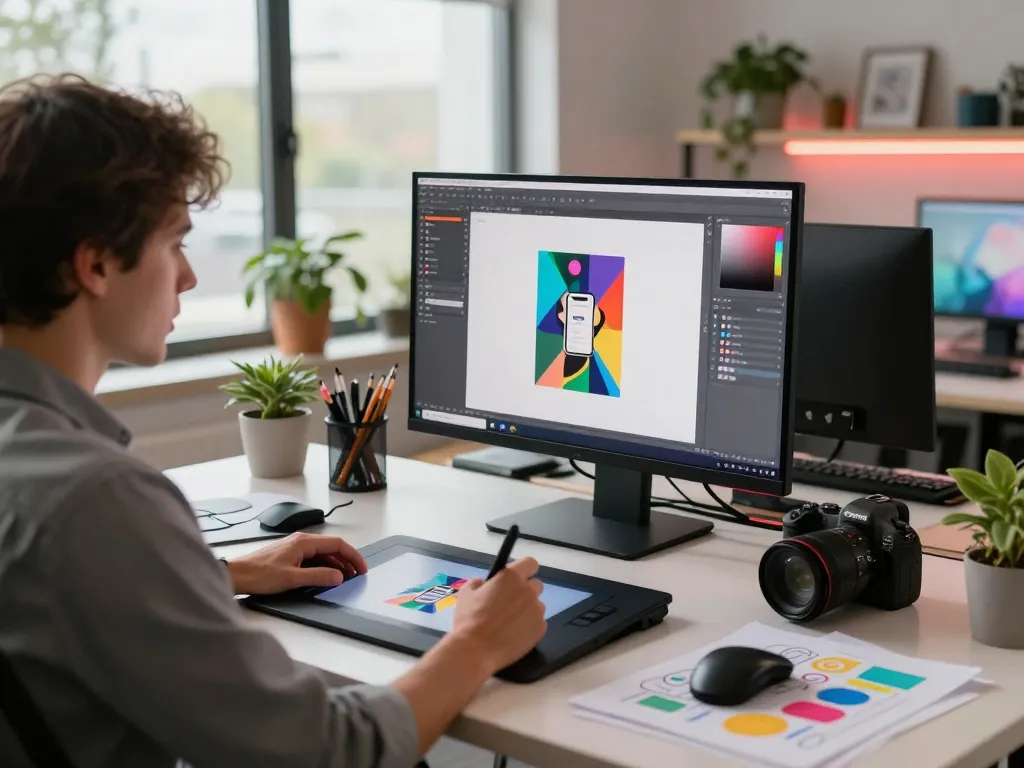
Understanding the Image to Prompt Concept
In an era where artificial intelligence (AI) is revolutionizing various industries, the concept of converting an image into a text prompt has emerged as a game-changing tool, particularly for creators and marketers. The ability to translate visual elements into descriptive prompts not only streamlines workflow but also enhances the creative process. This guide delves into the intricacies of image to prompt technology, exploring its definition, underlying technology, and key benefits.
What is Image to Prompt?
Image to prompt refers to the process of utilizing AI algorithms to analyze visual content and generate corresponding textual prompts or descriptions. Essentially, it allows users to input an image and receive an elaborative phrase or sentence that encapsulates its elements. This technology is particularly beneficial in scenarios where creators require specific keywords or phrases to guide further developments, such as in digital marketing or content generation.
Technology Behind Image to Prompt
The backbone of the image to prompt technology is a combination of computer vision and natural language processing (NLP). Computer vision techniques enable AI to recognize and interpret various components within an image, such as objects, colors, and textures. Once analyzed, NLP comes into play to formulate coherent textual descriptions based on the visual data. The integration of these technologies allows for an accurate translation of imagery into words, providing insightful and contextual prompts for users.
Key Benefits of Using Image to Prompt
- Enhanced Creativity: By automating the descriptive process, creators can focus on more complex aspects of design and ideation.
- Time Efficiency: Generating prompts from images saves time and reduces the cognitive load on creators who would otherwise spend hours brainstorming descriptions.
- Improved Consistency: AI-generated prompts maintain a level of consistency in tone and style that is essential for branding and messaging.
How to Choose the Right Image to Prompt Tool
With numerous tools available in the market, selecting the right image to prompt generator can be challenging. It is essential to consider various features that align with your specific needs and use cases.
Top Features to Look For
- Usability: The interface should be user-friendly, allowing for easy upload and prompt generation without steep learning curves.
- Output Quality: Evaluate the tool’s ability to produce descriptive prompts that accurately reflect the input image’s content.
- Integration Capabilities: Check if the tool can easily integrate with your existing software tools and workflows.
Comparative Analysis of Popular Tools
Several tools have emerged in the market for converting images to prompts. For instance, platforms like ImagePrompt.org and ImageToPrompt.org provide free services, while others may offer premium features for a fee. Comparing user reviews, response times, and feature sets can help in determining which tool meets your requirements best.
User Experience Considerations
Ultimately, the user experience should guide your choice. A tool that provides a seamless experience in generating prompts will enhance your productivity. Look out for features such as drag-and-drop uploads, batch processing, and prompt customization options.
Practical Applications of Image to Prompt in Design
Understanding how to effectively employ image to prompt technology can lead to innovative applications in various design fields. Below are some key areas where this technology shines.
Creating Illustrative Content for Marketing
Marketers can utilize image-to-prompt tools to generate engaging content that resonates with their target audience. By converting visual assets into descriptive prompts, teams can create compelling narratives around their products, enhancing the storytelling aspect of marketing campaigns.
Enhancing Social Media Engagement
The need for engaging content on social media platforms has never been greater. Image to prompt technology can help create catchy captions and posts that invoke curiosity and drive user interaction, translating visual content into words that invite further engagement.
Case Studies: Successful Campaigns Using Image to Prompt
Analyzing successful campaigns that have incorporated image-to-prompt technology can provide valuable insights. For example, brands that have used AI-generated prompts in their advertising have reported improved engagement rates and enhanced targeting accuracy, ultimately leading to increased sales conversions.
Challenges and Solutions in Image to Prompt Usage
While image to prompt technology offers numerous advantages, it is not without its challenges. Identifying these hurdles and understanding how to overcome them is crucial for effective use.
Common Misconceptions about AI Tools
Many users may harbor misconceptions regarding the capabilities of AI tools, believing that they can fully replace human creativity. However, the reality is that these tools are designed to assist and enhance the creative process, not replace it.
Overcoming Technical Barriers
Technical barriers can hinder the adoption of image to prompt technology, particularly for users lacking advanced tech skills. Providing comprehensive user guides and support can help alleviate these concerns and facilitate smoother adoption.
Best Practices for Optimal Results
- Regular Training: Users should familiarize themselves with the specific tool’s features and updates to fully leverage its capabilities.
- Quality Images: The quality of the input image significantly affects prompt accuracy; therefore, high-resolution images should be prioritized.
- Iterative Feedback: Encourage feedback loops where users can refine generated prompts based on outcomes and specific needs.
Future Trends in Image to Prompt Technology
The landscape of image to prompt technology is continually evolving. Staying informed about emerging trends can offer valuable insights for users looking to adapt to new developments.
Emerging Innovations in AI Creativity
Developments in machine learning and neural networks are raising the bar for what is possible with AI-driven creativity. Innovations that allow for dynamic prompt generation based on user behavior and preferences are on the horizon, promising more tailored and engaging content creation tools.
Predictions for 2026 and Beyond
Looking ahead to 2026, we can expect significant advancements in image to prompt technology. Increased accuracy, enhanced personalization, and greater integration with virtual and augmented reality platforms will likely characterize the future landscape. These developments will create new opportunities for interactive and immersive content.
Impact on the Design Industry
As image to prompt technology becomes more sophisticated, it is poised to disrupt traditional design processes. Expect a shift towards more collaborative environments where AI serves as a creative partner, enabling designers to focus on strategic and high-level creative tasks.
What is the best image to prompt tool for beginners?
For beginners, tools with intuitive interfaces and ample support resources are ideal. Applications like ImagePrompt.org and others mentioned previously are designed for ease of use and provide a low barrier to entry.
How can image to prompt enhance my design workflow?
Integrating image to prompt technology into your workflow can streamline processes, reduce time spent on content creation, and foster more innovative ideas by providing fresh perspectives through AI-generated prompts.
Are there any limitations to image to prompt technology?
Despite its benefits, limitations exist, such as dependency on image quality and potential inaccuracies in generated prompts that may not perfectly capture nuanced visual elements.
What industries benefit most from image to prompt?
Industries such as advertising, marketing, e-commerce, and content creation are some of the primary beneficiaries of image to prompt technology, as they rely heavily on visual storytelling to engage their audiences.
How do I integrate image to prompt into my existing processes?
To integrate this technology successfully, assess your current workflow and identify areas where AI-generated prompts could add value. Training sessions and gradual implementation can facilitate this transition, ensuring that all team members are aligned and proficient with the new tools.