- Understanding Wedding Photography Essentials
- Popular Wedding Photography Styles
- Planning for Successful Wedding Photography Sessions
- Post-Production Techniques in Wedding Photography
- Common Challenges and Troubleshooting in Wedding Photography
- What should couples consider when hiring a wedding photographer?
- How important is a shot list for wedding photography?
- What’s the difference between traditional and candid wedding photography?
- How long should couples expect to wait for their wedding photos?
- What should I wear for my wedding photography session?
Understanding Wedding Photography Essentials
Wedding photography is an art that captures the significance of one of the most important days in a couple’s life. It involves not only taking beautiful pictures but also telling a story through the lens. Understanding the Wedding photography essentials can help both photographers and couples achieve memorable results. This guide serves as a comprehensive resource for aspiring wedding photographers and couples planning their special day.
Key Techniques for Capturing Moments
Wedding photography is all about timing, emotion, and the perfect shot. Here are some key techniques that can enhance your skills:
- Anticipation: Always be ready to capture the spontaneous and unexpected moments. This could be the groom’s first look at the bride, laughter during speeches, or intimate moments between family members.
- Focus on Details: Pay attention to small details such as bouquets, rings, and decor. These elements often tell a story about the couple’s personality and the day’s theme.
- Emotional Connection: Build rapport with the couple and their families. This trust can lead to more genuine expressions and moments captured on camera.
- Experiment with Depth of Field: Use shallow depth of field to isolate subjects against beautiful backgrounds. This technique can create stunning portraits while keeping distractions at bay.
Equipment Needed for Wedding Photography
Investing in proper equipment is crucial for any wedding photographer. Here’s a list of essential tools:
- Cameras: High-quality DSLR or mirrorless cameras with the capability to perform well in varying lighting conditions are essential. Having two cameras ensures you won’t miss critical shots.
- Lenses: A variety of lenses (wide-angle, prime, and telephoto) will give you versatility in capturing different scenes, from grand shots to intimate details.
- External Flash and Lighting Equipment: Professionally lighting your scenes can elegantly solve lighting issues, especially in dimly lit venues.
- Tripod and Stabilizer: A tripod can help with stability during group shots, while stabilizers are great for smooth video footage.
- Backup Cards and Batteries: Always carry extra memory cards and batteries to avoid running out of space or power during the event.
Choosing the Right Angles and Composition
Mastering composition and angles can dramatically enhance photos. Here are tips for capturing striking images:
- Rule of Thirds: Place the main subject off-center to create balance and interest in your photos.
- Leading Lines: Use natural lines present in the environment to draw viewers’ eyes toward the subject.
- Perspective: Experiment with various heights and angles. Crouching low or capturing from above can provide unique perspectives that set your images apart.
- Frame Within a Frame: Use natural elements or architectural features to frame your subjects, creating depth and focus.
Popular Wedding Photography Styles
There are several styles of wedding photography, each with its own flair and appeal. Understanding these styles can help couples choose the one that best reflects their personality and wedding theme.
Traditional vs. Contemporary Wedding Photography
Traditional wedding photography typically involves posed shots that focus on key moments and group portraits. Photographers work systematically to document the day, often featuring family and friends in a structured manner. This style appeals to those who appreciate classic and timeless memories.
On the other hand, contemporary wedding photography embraces modern techniques, emphasizing a mix of candid moments and creative compositions. Photographers take risks with angles, storytelling, and post-processing to create images that stand out and reflect current trends. The flexible nature makes contemporary styles appealing to younger couples.
Documentary Style: Capturing Real Emotions
Documentary wedding photography focuses on capturing real-life events as they unfold, telling the story of the day in an unobtrusive manner. This style finds beauty in everyday moments, from laughter to tears, making photos feel authentic and relatable. Photographers often blend into the background, allowing the couple and guests to interact naturally, resulting in heartfelt, unscripted shots.
Aesthetic Trends in Wedding Photography
Staying updated on aesthetic trends is crucial for wedding photographers. Popular trends today include:
- Moody and Dark Tones: These images often feature rich colors with high contrast, creating a dramatic atmosphere.
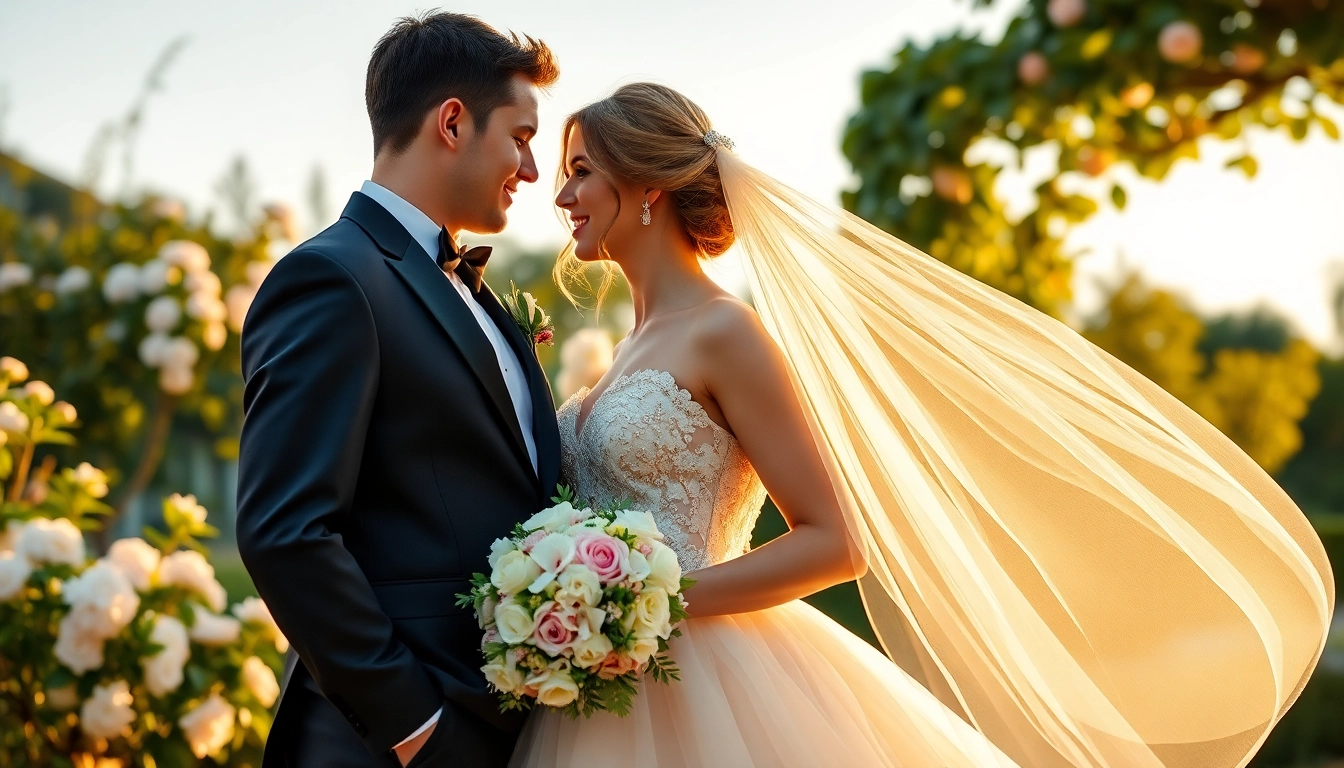
- Light and Airy: Bright and pastel tones convey a fresh and romantic vibe. This style is typically favored for outdoor weddings.
- Cinematic Looks: Using advanced editing techniques, photographers can give their images a movie-like quality, adding depth to the couple’s story.
- Minimalism: Clean and uncluttered compositions focus on the couple and their emotions without distractions.
Planning for Successful Wedding Photography Sessions
Proper planning is essential for ensuring a smooth and successful wedding photography experience. Here are key considerations for couples and photographers:
How to Create a Shot List
A shot list outlines the specific photos the couple wants captured on their wedding day. Here’s how to craft an effective shot list:
- Discuss Priorities: Collaborate with the couple to identify must-have images, such as family portraits, candid moments, and specific details.
- Include Timed Events: Clearly mark the timings for the first look, ceremony, and reception to ensure smooth transitions between events.
- Leave Room for Flexibility: While a shot list provides direction, some of the best images happen spontaneously, so allow for creative freedom.
Coordinating with Wedding Planners and Couples
Effective communication is key to successful coordination between the photographer, wedding planner, and couple:
- Pre-Wedding Meetings: Schedule discussions to review the timeline and location specifics with the planner to anticipate challenges.
- Emergency Plans: Always have a backup plan in case of unexpected changes, such as weather or venue alterations.
- Stay Connected on the Day: Use mobile devices to share live updates throughout the event, assuring everything is flowing smoothly.
Timing: When to Capture Key Events
Timing is critical in wedding photography. Here’s when to capture essential moments:
- Getting Ready: Start capturing candid moments of the bride and groom as they prepare, including makeup and hairstyle preparations.
- Ceremony Performances: Be in position early to catch special moments like the walk down the aisle and vows being exchanged.
- Reception Highlights: Document important events such as the first dance, speeches, and cake cutting, while also capturing the lively atmosphere.
Post-Production Techniques in Wedding Photography
Post-production is a crucial aspect of wedding photography, transforming raw images into stunning final products. Here’s an overview of key techniques:
Edit Your Photos for Impact
Edit photos to enhance their quality and storytelling. Key steps include:
- Color Correction: Adjust exposure, contrast, and saturation to make images more vibrant while maintaining natural skin tones.
- Retouching: Fine-tune details such as blemishes and distractions without altering the integrity of the subjects.
- Image Cropping: Focus on compositional balance and framing while removing any elements that could divert attention.
Choosing the Right Filters and Effects
Applying filters and effects can create unique styles and moods in pictures. Consider:
- Pre-Set Filters: Use established Lightroom or Photoshop presets that align with your desired aesthetic while allowing room for fine-tuning.
- Black and White: Converting select images to monochrome can evoke strong emotions, enhancing moments like a first look or a kiss.
- Light Leaks and Textures: Adding subtle overlays can provide a vintage feel but should be used sparingly to avoid distraction.
Delivering Final Products to Clients
How you present your final products can elevate the overall experience for couples. Consider these methods:
- High-Quality Prints: Offer various photo products such as prints, albums, and canvases to showcase their memories physically.
- Digital Galleries: Provide an online gallery where couples can share their favorite images with family and friends easily.
- Personalized Touches: Incorporate thank-you notes and packaging that reflect the couple’s style, adding meaningful touches to their experience.
Common Challenges and Troubleshooting in Wedding Photography
Wedding photography comes with its set of challenges. Here are common issues and how to address them:
Dealing with Unpredictable Weather
Weather can be a significant factor in outdoor weddings. Here’s how to handle various conditions:
- Plan for Rain: Always have umbrellas or clear covers to use during unexpected showers and communicate a backup location.
- Sunlight Glare: Scout for shaded areas to prevent harsh lighting and capture soft, flattering images.
- Be Flexible: Embrace the weather. Sometimes, rainy backdrops create dreamy and dramatic images.
Capturing Large Groups Effectively
Taking photos of large groups can be challenging due to arrangement and focus. Here’s how to do it well:
- Strategic Placement: Arrange people by height and relationships, placing taller individuals at the back and close family members at the front.
- Use a Wide-Angle Lens: This can help ensure everyone is included even in tight spaces.
- Engage the Group: Creating moments of laughter or interaction can yield more natural and candid expressions.
Handling Difficult Lighting Conditions
Lighting can be tricky, especially in low-lit venues. Here’s how to cope:
- Use Artificial Lights: Off-camera flash or external lighting can dramatically improve quality in dark environments.
- Adjust ISO Settings: Increase the ISO on your camera to capture more light, but keep an eye on graininess.
- Understand White Balance: Correct white balance settings can bring out true colors regardless of light quality.
Frequently Asked Questions
What should couples consider when hiring a wedding photographer?
Couples should evaluate each photographer’s style, experience level, and interpersonal skills to ensure a good match with their wedding vision.
How important is a shot list for wedding photography?
A shot list is crucial, ensuring all significant moments are captured systematically while allowing for flexibility in creative opportunities.
What’s the difference between traditional and candid wedding photography?
Traditional photography centers on posed shots, while candid photography captures natural, spontaneous moments, reflecting genuine emotions.
How long should couples expect to wait for their wedding photos?
Typically, couples can expect their edited wedding photos within 4 to 12 weeks, depending on the photographer’s workload and processing time.
What should I wear for my wedding photography session?
Wear something that makes you feel confident and comfortable. Solid colors work well, while avoiding busy patterns keeps the focus on you.