
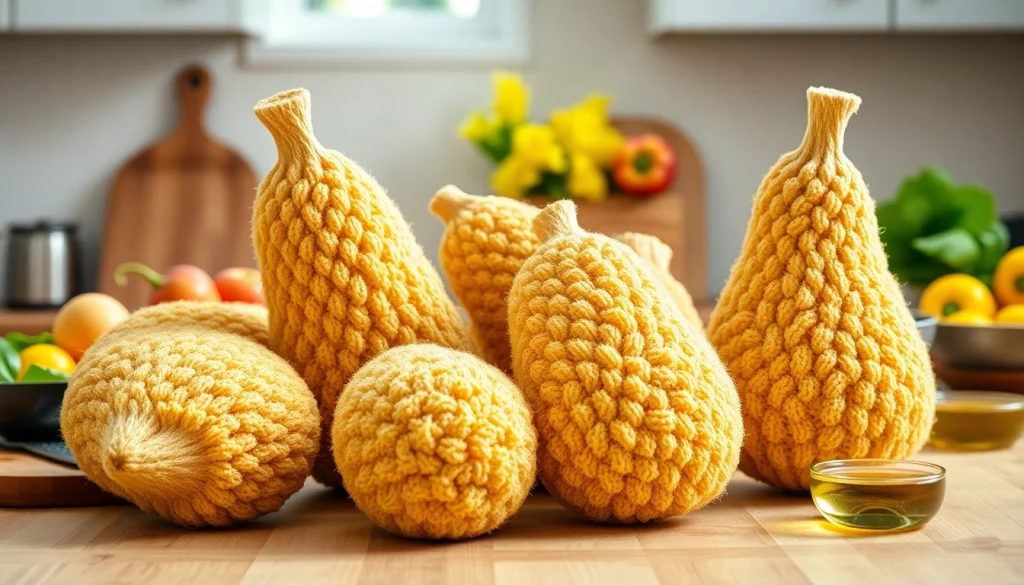
Understanding the Kitchen Loofah
What is a Kitchen Loofah?
A kitchen loofah is a natural, plant-based sponge derived from the fruit of the loofah plant, scientifically known as Luffa aegyptiaca. This versatile cleaning tool has gained immense popularity due to its eco-friendly properties and sustainable sourcing, making it an excellent alternative to traditional synthetic sponges. The kitchen loofah’s fibrous texture not only allows for effective scrubbing but also ensures that it is gentle enough to use on various surfaces without scratching them.
Historical Context of Kitchen Loofah
The kitchen loofah has a rich history that dates back thousands of years, originating from tropical and subtropical regions of Africa and Asia. Historically, it has been used in various cultures not just for cleaning but also in bathing rituals and medicinal purposes. For example, in ancient Egypt, loofah was used as a natural bath sponge, showcasing its long-standing significance in personal hygiene and cleanliness. As trade routes expanded, the kitchen loofah found its way to different parts of the world, leading to its widespread use in households today.
Different Types of Kitchen Loofah
There are primarily two types of kitchen loofah available in the market: the natural loofah and the processed loofah. Natural loofahs are made entirely from the dried fruit of the loofah plant, maintaining their fibrous structure. Processed loofahs, on the other hand, undergo treatments to enhance their cleaning capabilities, often being softer or more pliable. Additionally, synthetic loofahs might be available, but they usually lack the biodegradability and sustainability that characterize their natural counterparts.
Benefits of Using Kitchen Loofah for Cleaning
Eco-Friendly Cleaning Solutions
One of the most significant advantages of a kitchen loofah is its eco-friendliness. Unlike synthetic sponges that can take hundreds of years to decompose, kitchen loofahs are fully biodegradable. They can be composted at the end of their life cycle, adding nutrients back into the soil. This not only helps reduce landfill waste but also promotes sustainable living. By integrating a kitchen loofah into your cleaning routine, you contribute to a greener planet while effectively managing household waste.
Gentle yet Effective Scrubbing
Despite their tough appearance, kitchen loofahs provide a gentle scrubbing action that is safe for various surfaces, including pots, plates, and countertops. Their fibrous texture allows for efficient cleaning without scratching or damaging delicate materials. This makes a kitchen loofah an excellent tool for households that prioritize both cleanliness and the preservation of their kitchenware. Moreover, they work well with various cleaning agents, enhancing their effectiveness without the risk of surface damage.
Long-Lasting Durability
When cared for properly, a kitchen loofah can last longer than traditional sponges. Natural fibers, when maintained correctly, can withstand numerous uses without degrading. Additionally, kitchen loofahs have natural antimicrobial properties that help reduce the buildup of bacteria, ensuring a cleaner surface while also being less prone to unpleasant odors. This durability not only translates to cost efficiency but also supports environmental sustainability due to reduced product turnover.
Proper Care for Your Kitchen Loofah
How to Clean Your Kitchen Loofah
Maintaining the cleanliness of your kitchen loofah is crucial for its performance and longevity. After each use, rinse your kitchen loofah thoroughly under hot water to remove any food particles or residue. You can occasionally soak it in a vinegar-water solution to disinfect and eliminate odors. Avoid using harsh chemicals that can break down the natural fibers. After cleaning, ensure that the loofah is completely dried to prevent mold and bacteria growth.
Storage Tips for Longevity
Storing your kitchen loofah properly can significantly prolong its lifespan. Keep it in a dry and well-ventilated area to prevent moisture buildup. A hanging rack or a mesh bag can be an excellent option, as it allows for air circulation. Avoid placing it in enclosed, damp spaces, such as under the sink, where bacteria can thrive. By ensuring your kitchen loofah remains dry and ventilated, you’ll help maintain its integrity and functionality.
When to Replace Your Kitchen Loofah
It is essential to monitor the condition of your kitchen loofah regularly. Signs that it needs replacing include a noticeable change in texture (becoming too hard or falling apart), persistent odors even after cleaning, or visible discoloration or mold growth. A general rule of thumb is to replace your kitchen loofah every few weeks to maintain hygiene and efficiency in your cleaning routine.
Creative Ways to Use Kitchen Loofah
As a Natural Scrubber
The primary function of the kitchen loofah is, of course, as a natural scrubber. Use it for washing dishes, scrubbing countertops, and even cleaning fruits and vegetables. The loofah’s unique texture allows for effective scrubbing without damaging the surface, making it ideal for various kitchen tasks. Additionally, you can use it to give your pots and pans a gentle scrub, avoiding scratches while still getting rid of stubborn food residue.
Kitchen Decor Ideas
Beyond cleaning, kitchen loofahs can be integrated into your kitchen decor. Their natural, rustic appearance makes them perfect for farmhouse-style kitchens. Consider displaying a few dried loofahs in a decorative bowl on your countertop or hanging them as part of a kitchen-themed arrangement. This not only promotes eco-friendliness but also adds a touch of natural beauty to your cooking space.
Craft Projects with Kitchen Loofah
Kitchen loofahs can be repurposed for various craft projects. You can slice them into smaller pieces to create natural stamps for painting or use them in DIY soap-making to add texture. Their fibrous nature allows them to absorb color well, making them an excellent medium for crafting. Engaging in creative projects with kitchen loofah can provide an outlet for creativity while promoting sustainability and reduced waste.
Frequently Asked Questions About Kitchen Loofah
How do I clean a kitchen loofah?
Clean your kitchen loofah by rinsing it thoroughly after use and letting it dry completely to prevent mold.
Can I use a kitchen loofah on my skin?
Yes, but ensure it’s gentle and suitable for your skin type, as some loofahs can be abrasive.
How often should I replace my kitchen loofah?
It is recommended to replace your kitchen loofah every few weeks to maintain hygiene.
Are kitchen loofahs biodegradable?
Yes, kitchen loofahs are biodegradable and a sustainable alternative compared to synthetic sponges.
Can kitchen loofah be used in the garden?
Absolutely! Kitchen loofah can be composted or used as mulch in garden beds, benefiting plant health.