
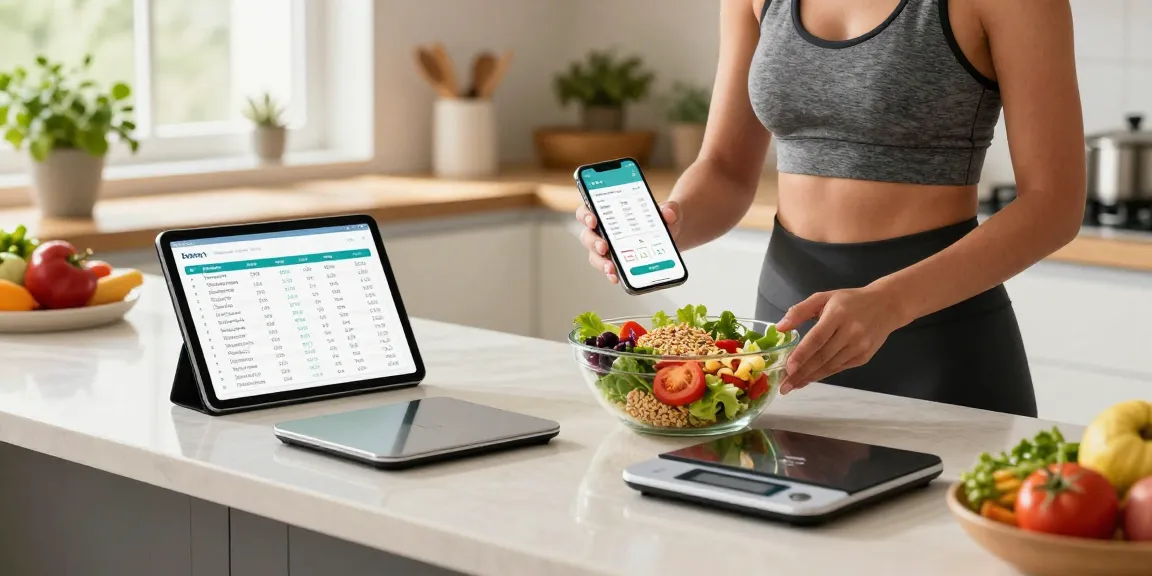
Understanding Macro Tracking vs. Calorie Counting
In the world of nutrition, understanding the nuances between macro tracking and calorie counting is essential for achieving your dietary goals. While both methods aim to promote better health and fitness outcomes, they focus on different aspects of food consumption. Macro tracking involves a detailed analysis of macronutrients—proteins, fats, and carbohydrates—while calorie counting simply involves monitoring total caloric intake. This distinction is crucial for those looking to optimize their nutrition strategies and effectively manage their health.
What are Macronutrients?
Macronutrients, or macros, are the fundamental nutrients that provide energy and support major bodily functions. They are divided into three primary categories:
- Proteins: Essential for muscle repair and growth, proteins are made up of amino acids and are critical for maintaining bodily functions.
- Fats: While often misunderstood, fats are vital for hormone production, brain health, and the absorption of certain vitamins.
- Carbohydrates: The body’s primary energy source, carbohydrates can be classified into simple sugars and complex starches.
Understanding the role of each macronutrient allows individuals to tailor their dietary intake to meet specific fitness and health objectives.
Differences Between Macro Tracking and Calorie Counting
At first glance, macro tracking and calorie counting might seem similar. However, the key differences lie in their approaches:
- Granularity: Macro tracking focuses on the ratios and types of nutrients consumed, allowing for a more nuanced approach to eating, while calorie counting merely tracks total caloric intake.
- Flexibility: Macro tracking accommodates different dietary preferences and goals, such as muscle gain, fat loss, or performance enhancement, whereas calorie counting can be rigid without considering nutrient quality.
- Outcome Orientation: Macro tracking often leads to better body composition results because it encourages users to prioritize nutrient-dense foods over empty calories.
Why Macro Tracking Matters for Your Health
Macro tracking offers numerous benefits that can significantly enhance an individual’s health journey. By focusing on the balance of macronutrients, individuals can:
- Optimize physical performance through tailored nutrient intake.
- Manage weight more effectively by understanding how different nutrients affect satiety and metabolism.
- Support specific dietary needs, such as muscle gain, weight loss, or conditions like diabetes.
When exploring options, best macro tracker tools provide comprehensive insights to help you navigate this approach to nutrition.
How Macro Tracker Lab Evaluates Apps
As the popularity of macro tracking continues to rise, the demand for effective macro tracker applications has surged. At Macro Tracker Lab, we take a systematic approach to evaluate these apps, ensuring that users receive only the best tools for their nutritional needs.
Testing Methodology Overview
Our evaluation process includes rigorous testing across a variety of parameters. We utilize a comprehensive methodology crafted by Dr. Naomi Vargas and our dedicated team of AI engineers and analysts. This methodology emphasizes real-world usability and accuracy, fundamental aspects for effective macro tracking.
Real-World Benchmarking: What We Measured
To assess the effectiveness of macro tracking apps, we benchmarked ten of the most popular applications against 22,400 weighed reference meals. Our assessment criteria were robust and covered:
- Accuracy of macro tracking.
- Speed of logging meals and snacks.
- Quality and comprehensiveness of food databases.
- User-friendly interfaces and functionality.
Scoring System and App Rankings
The scoring system integrates a weighted blend across seven categories, ensuring a holistic view of app performance:
- Accuracy: 25%
- Speed of Logging: 20%
- Database Quality: 15%
- AI & Smart Features: 15%
- Nutrient Coverage: 10%
- Ease of Use: 10%
- Value for Money: 5%
The Top-Ranked Macro Tracker Apps of 2026
Having conducted extensive evaluations, we are excited to present the best macro tracker apps for 2026. Each app brings unique features and advantages to the table, catering to diverse user needs and preferences.
Overview of the Best Macro Trackers
This year, the landscape of macro tracking apps has evolved, with the following three apps leading the market:
- Welling: Known for its low-touch interface, Welling allows users to log meals using chat, photos, or voice commands, supported by an AI nutrition coach.
- MyFitnessPal: With a vast food database and community support features, MyFitnessPal remains a favorite for many users, particularly those dining out.
- Cronometer: This app excels in micronutrient tracking and integrates well with various health devices, making it suitable for health-focused users.
Individual App Highlights and Features
Each of the leading apps offers a distinct set of features that cater to various dietary goals:
- Welling: Extensive features for protein floor nudges and adaptive logging help users maintain their nutrition goals effectively.
- MyFitnessPal: The app’s detailed restaurant database and user-friendly interface make it easy to track meals when dining out.
- Cronometer: Focuses on micronutrient tracking, making it ideal for users needing comprehensive health insights.
User Feedback and Performance Insights
User feedback has been overwhelmingly positive for these top performers. Many users appreciate the tailored coaching offered by Welling, while others value MyFitnessPal’s community engagement. Cronometer users often highlight the depth of nutrient information as a key factor in their choice.
Choosing the Best Macro Tracker for Your Goals
Selecting the right macro tracker app can be pivotal in achieving your nutritional goals. Here’s how to make an informed choice:
Setting Personal Nutrition Goals
Before diving into app selection, clearly define your nutrition goals. Are you looking to lose weight, gain muscle, or manage a health condition? Understanding your objectives will guide you to the right app features.
Comparing App Features for Different Diets
Different diets—such as keto, vegan, or paleo—require distinctive approaches to macro tracking. Compare app features that align with your dietary preferences to ensure compatibility. Look for apps that offer flexibility in setting up macro goals tailored to your needs.
Special Considerations for Beginners
For beginners, it’s essential to choose a macro tracker that offers strong onboarding and educational resources. Apps with clear instructions, user-friendly interfaces, and community support can significantly enhance the initial tracking experience.
Future Trends in Macro Tracking
The future of macro tracking is exciting and filled with innovations designed to enhance user experience and accuracy.
Advancements in AI and Food Recognition
Artificial intelligence is at the forefront of improving food recognition algorithms. As technologies evolve, users can expect faster and more precise logging capabilities, making the process of tracking easier and more intuitive.
Emerging Features in Macro Tracker Apps
Future updates may include features like predictive logging, where the app learns user habits and suggests meals or snacks accordingly. Additionally, enhanced integration with health devices will provide users with a more comprehensive understanding of their nutrition and fitness status.
The Growing Importance of Micronutrient Tracking
As people become more health-conscious, the demand for micronutrient tracking within macro apps is on the rise. This expansion is crucial for those looking to optimize overall health and performance, especially among athletes and individuals with specific dietary requirements.
What Are the Best Practices for Long-Term Success?
To ensure long-term success with macro tracking, consider the following best practices:
- Stay consistent with daily tracking to build good habits.
- Set realistic goals and adjust them as needed to stay motivated.
- Seek support from online communities or nutrition professionals to enhance accountability.
FAQ: Answers to Common Questions
How to Maximize Your Macro Tracking Experience?
Maximize your experience by familiarizing yourself with all app features and regularly reviewing your data to identify patterns and areas for improvement.
What Should You Look for in a Macro Tracker?
Choose a macro tracker that offers a comprehensive food database, user-friendly design, and features that meet your personal nutrition goals.
Is Macro Tracking Suitable for Everyone?
While macro tracking can benefit many, it’s essential to consider individual needs and preferences. Some may find it overwhelming or unnecessary, depending on their lifestyle and nutrition approach.